
A line can keep running and still need too much help to stay steady.
Product is moving, machines are cycling, and nothing obvious has failed, but the rhythm never quite settles.
You usually notice it after a brief downstream hesitation or a small tightening in the infeed. The flow recovers, but the next bottles arrive slightly closer together than before. Someone nudges the speed to open the spacing back out again.
Nothing has stopped, so it can look like normal line management.
But after a while, the adjustments stop feeling occasional. Speeds get touched more often, spacing gets watched more closely, and small corrections become part of keeping the line usable.
The movement is still there, but the steady pattern is not.
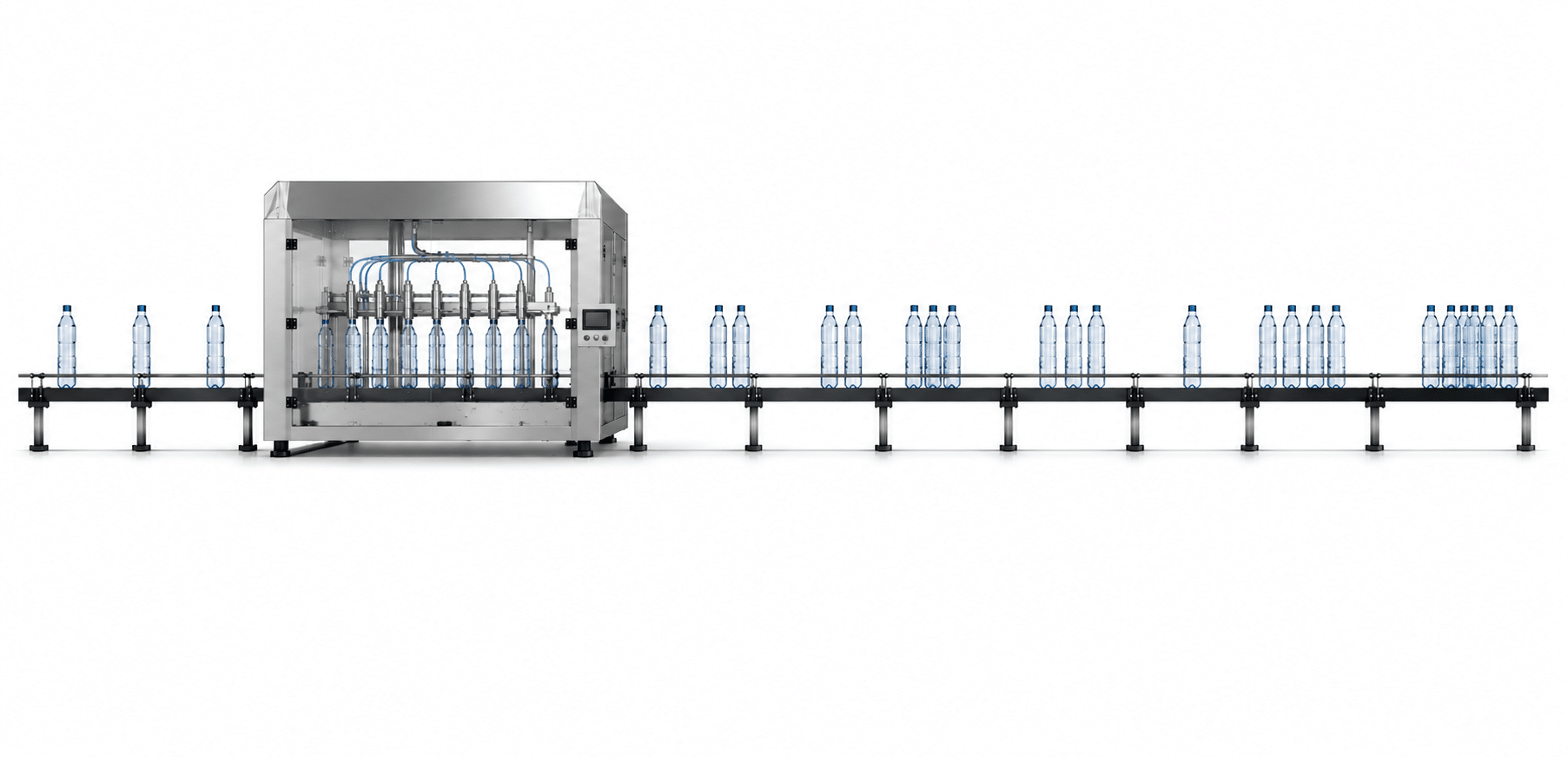
That is where activity can become misleading. From a distance, it can look like the line is being controlled well. On the floor, the line is often being compensated for.
A stable line does not usually need constant nudging. Small changes pass through, spacing rebuilds naturally, and recovery settles back into one rhythm.
When that stops happening, the line may continue running, but it becomes harder to hold steady.
What looks like control is often the clearest sign that the line is no longer returning to one stable pattern.
Stable lines usually recover quietly. When constant attention becomes part of keeping the flow steady, the line often stops looking quiet long before it stops running.
About the Author
Jon works with manufacturing teams to understand how packaging lines behave under real operating conditions and where reliability is lost across the system.
His work focuses on how planning decisions, system design, and equipment interaction influence overall line performance and long-term stability.