
A line can be running steadily when one section begins to struggle. It might be the packer hesitating, or a section backing up while something downstream opens out. The disruption looks localised, so attention goes straight to where it shows.
That is usually where time gets spent. A machine looks like it is not keeping up, something gets adjusted, and the focus stays there because that is where the effect is visible.
In reality, the problem rarely sits in that position.
By the time the line is moving again, the conditions that created the disruption have already travelled through the system. What shows up is simply where the line can no longer absorb what has already changed.
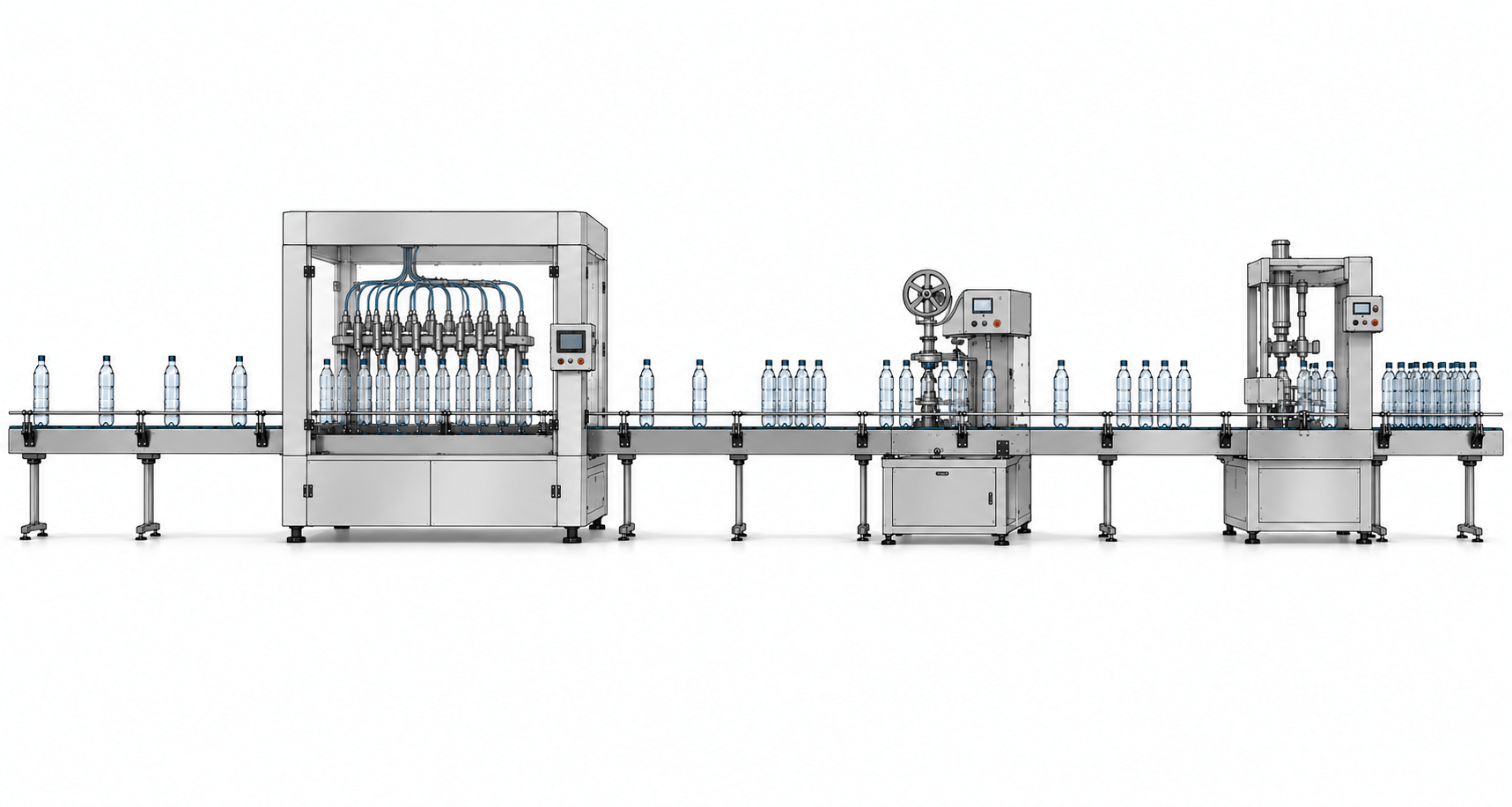
You often see this after a short stop. Downstream begins to starve while upstream closes in. Then movement returns, but spacing has already changed. The line is running again, but it is no longer rebuilding in one clean pattern.
As a result, faults are often misread. The natural reaction is to focus on the machine where the disruption appears. However, by the time it becomes visible, the cause has already moved further upstream.
Adjustments get made in response to the symptom rather than the source. The stop clears, but the same pattern returns because the flow entering the section has already changed.
Over the course of a shift, this is where performance starts to disappear. Effort is directed at the wrong point, machines get blamed for behaviour they are reacting to, and changes fail to hold because they happen too late in the sequence.
You usually see this more clearly further down the line as space tightens and the system runs out of room to absorb what is already moving through it.
The question is not where the problem appears, but where the system finally runs out of room to absorb what has already been moving through it.
About the Author
Jon works with manufacturing teams to understand how packaging lines behave under real operating conditions and where reliability is lost across the system.
His work focuses on how planning decisions, system design, and equipment interaction influence overall line performance and long-term stability.